The biggest misunderstanding about magnesium
The biggest misunderstanding about magnesium

It is not just for cramps or sleep
One of the most common misunderstandings is that magnesium is only about muscle cramps, relaxation, or sleep.
In reality, magnesium helps with much more than that. It is required for energy production, contributes to the structural development of bone, supports DNA and RNA synthesis, and helps regulate the movement of calcium and potassium across cell membranes, which matters for muscles, nerves, and heart rhythm.
So magnesium is not just a “recovery mineral.”
It is a foundation mineral.
Magnesium is not only about helping you relax. It is also about helping your body function.
Why magnesium matters more than people think
The body uses it everywhere
Magnesium helps support many systems at once:
1. Energy production
Magnesium is required for major energy pathways such as oxidative phosphorylation and glycolysis, which help your body turn food into usable energy.
2. Muscles and nerves
It helps regulate nerve impulse conduction and muscle contraction, which is why magnesium status matters for movement and normal neuromuscular function.
3. Bone health
A large amount of the body’s magnesium is stored in bone, and magnesium contributes to normal bone structure and development.
4. Heart rhythm
Magnesium helps move key minerals across cell membranes and supports a steady heartbeat.
5. Overall metabolic balance
It also plays roles in protein synthesis, blood glucose regulation, and many daily biochemical processes that keep the body running.
Where to get magnesium from food
Food first is the smart foundation
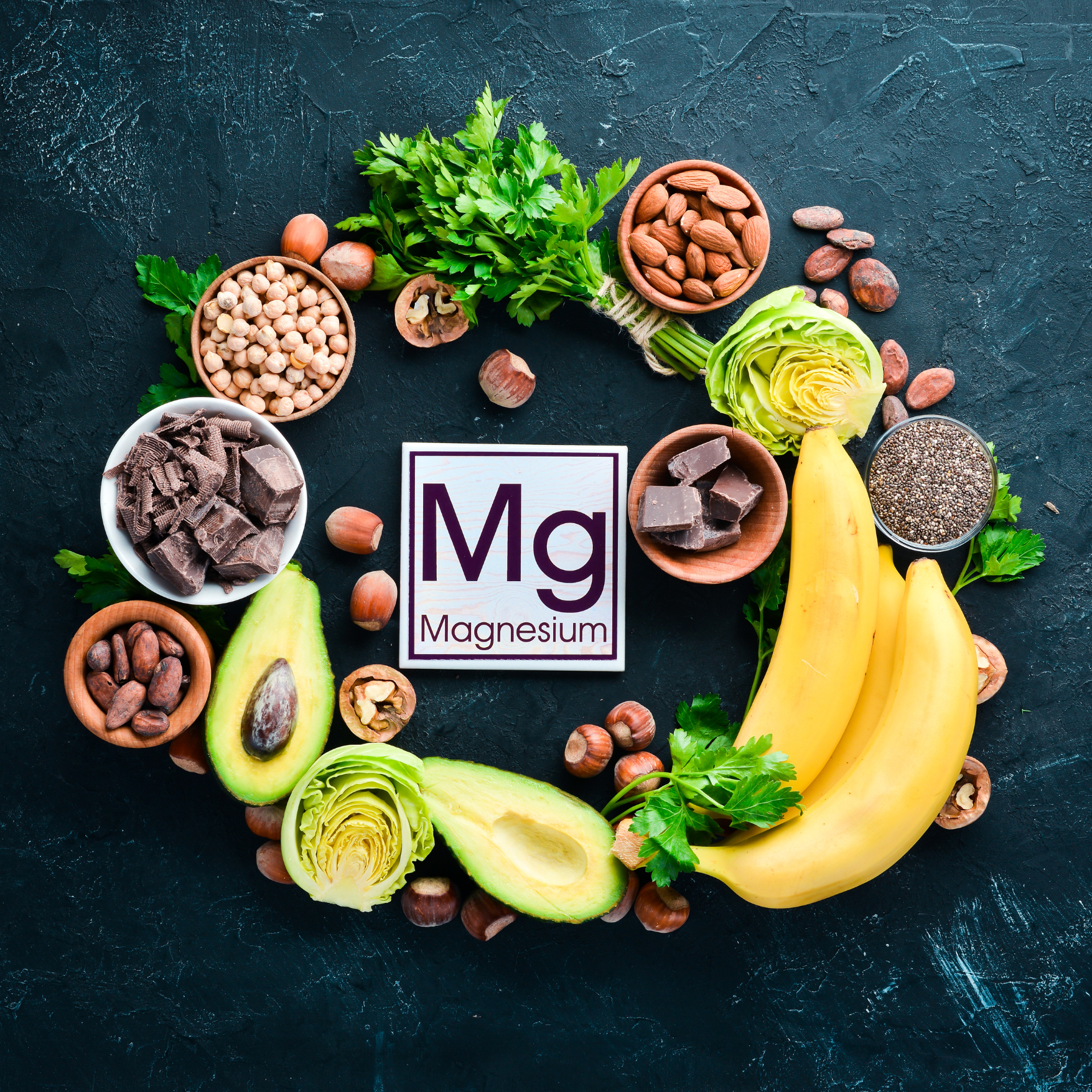
The good news is that magnesium is found in many everyday foods. Official health sources list legumes, nuts, seeds, whole grains, and green leafy vegetables among the best natural sources. Some fortified foods and dairy products can also contribute.
Other helpful foods
Soy milk, yogurt, bananas, and even dark chocolate in moderation are commonly cited as useful dietary sources.
Daily tips to get more magnesium
Easy habits that actually work
Add one seed or nut serving a day
A small handful of nuts or a spoonful of seeds is an easy start.
Upgrade breakfast
Try oatmeal with pumpkin seeds, chia, or almonds.
Make greens more regular
Add spinach to smoothies, eggs, soups, or stir-fries.
Choose more whole grains
Swap refined grains for oats, brown rice, or quinoa when possible.
Think “layered nutrition”
Beans + greens + whole grains in one meal is a very magnesium-friendly combination.